Today’s lead · X
Tavus Griffin pushes video agents toward real-time social timing
Tavus says Griffin-Lite reached a 45–48% human mistaken-identity rate in live video calls and scored 3.83/5 on NVIDIA’s full-duplex benchmark, close to humans at 3.92. Useful signal: timing, interruption, and visual attention are becoming product-level capabilities, but the bigger Griffin remains unreleased.
Top signals
9 more
Google sends a TPU to orbit, but space data centers still need a launch miracle
Google launched a Planet Labs-built satellite to test whether one of its TPUs can run in space, part of Project Suncatcher. The near-term demo is modest: 15-minute bursts and thermal checks. The long-term idea depends on Starship reaching about 1,800 launches over 10 years.

AWS joins the decision-model rush with Strands Decider 2B
AWS released Strands Decider 2B, an open-source model for choosing among predefined options with confidence scores instead of generating text. For agent builders, the pitch is practical: cheaper, faster routing steps where an LLM is overkill. The question is whether calibration holds up outside tidy workflows.
Modal makes multi-node GPU clusters a one-decorator primitive
Modal Clusters are now generally available, putting gang-scheduled multi-node GPU jobs, RDMA, and second-level billing behind @modal.clustered. This is aimed at teams that need bursty training or multi-node inference without owning reservations. The real differentiator is operational: cluster acquisition from Modal’s shared pool in seconds.

Ai2 opens Olmo-core 3 for trillion-parameter MoE training experiments
Ai2 released Olmo-core 3, a redesigned open MoE training stack intended for trillion-parameter-scale models. The useful part is not just scale claims: the post details DDP-based expert residency, expert and pipeline parallelism, MXFP8 experiments, and failure modes like token gerrymandering that matter when reproducing MoE runs.
Claude Code mods let users rewrite the tool, not just prompt it
Claude Code added mods: TypeScript functions that can rewrite prompts, alter UI, block or retry tool calls, and replace built-in features. This gives serious power-user surface area, but the security model matters: mods run with Claude Code’s machine access and are not sandboxed.
GitHub Copilot gets computer use for GUI automation
GitHub Copilot’s public preview of computer use lets Copilot operate desktop apps through accessible content, visual context, clicks, typing, keys, scrolling, and dragging. This is most interesting for legacy or GUI-only workflows. The control surface is gated by app approval, OS permissions, and org-managed disablement.

OpenAI says it disrupted a scaled reasoning-extraction campaign
OpenAI says it disrupted an adversarial distillation campaign that tried to reproduce protected reasoning through model interactions rather than infrastructure compromise. The report links a core cluster to people associated with Moonshot AI, without publishing technical evidence. For builders, encrypted reasoning is now clearly part of the attack surface.
Memory makers warn AI demand will keep RAM tight through 2028
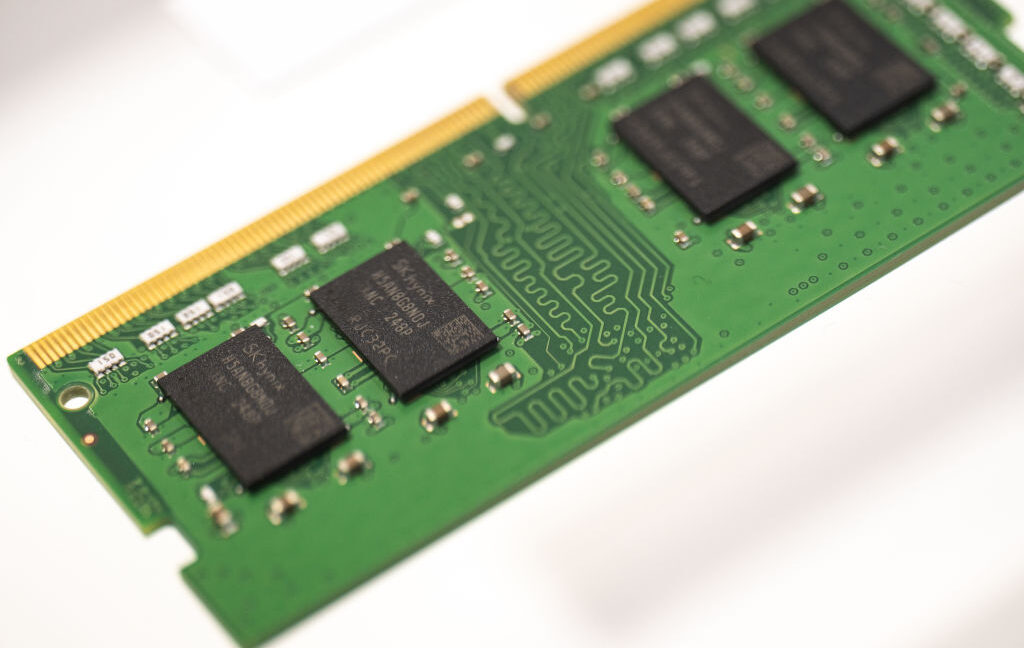
Micron and Samsung executives expect the memory shortage to last for at least the next couple of years. The builder implication is simple: AI HBM and server DRAM are pulling capacity away from consumer and general-purpose supply, so hardware budgets may keep moving the wrong way.

Grok’s reported role in Venezuela deliberations shows AI advice entering statecraft
TechCrunch, citing Time, reports that President Trump asked Grok how Venezuelans would respond to Nicolás Maduro’s capture before the U.S. invasion. Whether or not Grok was decisive, the story is a warning: model outputs are being treated as strategic advice in military and geopolitical contexts.
Tools & repos
6 selected
Monospace from Directus
Directus pitches Monospace as a governed read-write API layer over existing enterprise data. The interesting bit is live schema introspection and shared permissions for apps, teams, and agents without copying data.
cursor/plugins
Cursor’s plugin repo is the official specification and plugin collection. With 9,342 stars and TypeScript as the listed language, this is the repo to watch if you build around Cursor extensibility.

Yedric.ai
Yedric offers an embeddable agent for SaaS products, turning natural-language requests into existing product actions. The promise is AI-native UX in under 30 minutes; integration depth will decide whether that holds.

Polylane
Polylane says its agents connect code, infrastructure, and observability data, investigate incidents, and open a PR with a fix. That’s an ambitious on-call replacement claim; root-cause recommendations are the safer first value.

DSH Desktop
DSH Desktop is listed as the official Mac and Windows app for DeepSeek’s open-source agent harness. It brings local everyday work, coding, scheduled tasks, and the CLI plugin system into a desktop shell.

Chat.sh
Chat.sh is a help center product with AI search, cited answers, markdown pages for LLMs, and a folder on your own site instead of a subdomain. The launch pitch is pay-once, not SaaS.
Blogs worth your time
6 reads
LangChain’s model-router writeup is a useful antidote to frontier-model defaulting
LangChain shows how it routed Open SWE tasks across fast, balanced, and performance models, cutting median coding-agent cost by 64% without measurable quality loss. The key lesson: route inside the harness, where task context lives.

ServiceNow’s AutoSynthData turns agent failures into a moving training curriculum
ServiceNow CoreAI describes AutoSynthData, a pipeline that uses target-model failures and teacher-model successes to generate, validate, and repair enterprise-agent tasks. The useful framing is capability-boundary training, not generic synthetic data at scale.

Shawn Wen on why enterprise voice agents are really turn-taking systems
Wen argues that voice agents fail less on text reasoning than on timing, adaptation, and enterprise control. The practical take: collapsing ASR and LLM boundaries helps turn-taking, but auditability keeps text outputs and citations important.

NVIDIA’s DIN Deploy samples target the boring part of local AI: C++ shipping paths
NVIDIA’s DIN Deploy offers open-source C++ samples for local inference with ONNX Runtime and TensorRT RTX. It covers ASR, SAM 2.1 segmentation, and FLUX.2 image generation, separating Python export from native app deployment.
OpenRouter maps where tool-calling schemas break across agent frameworks
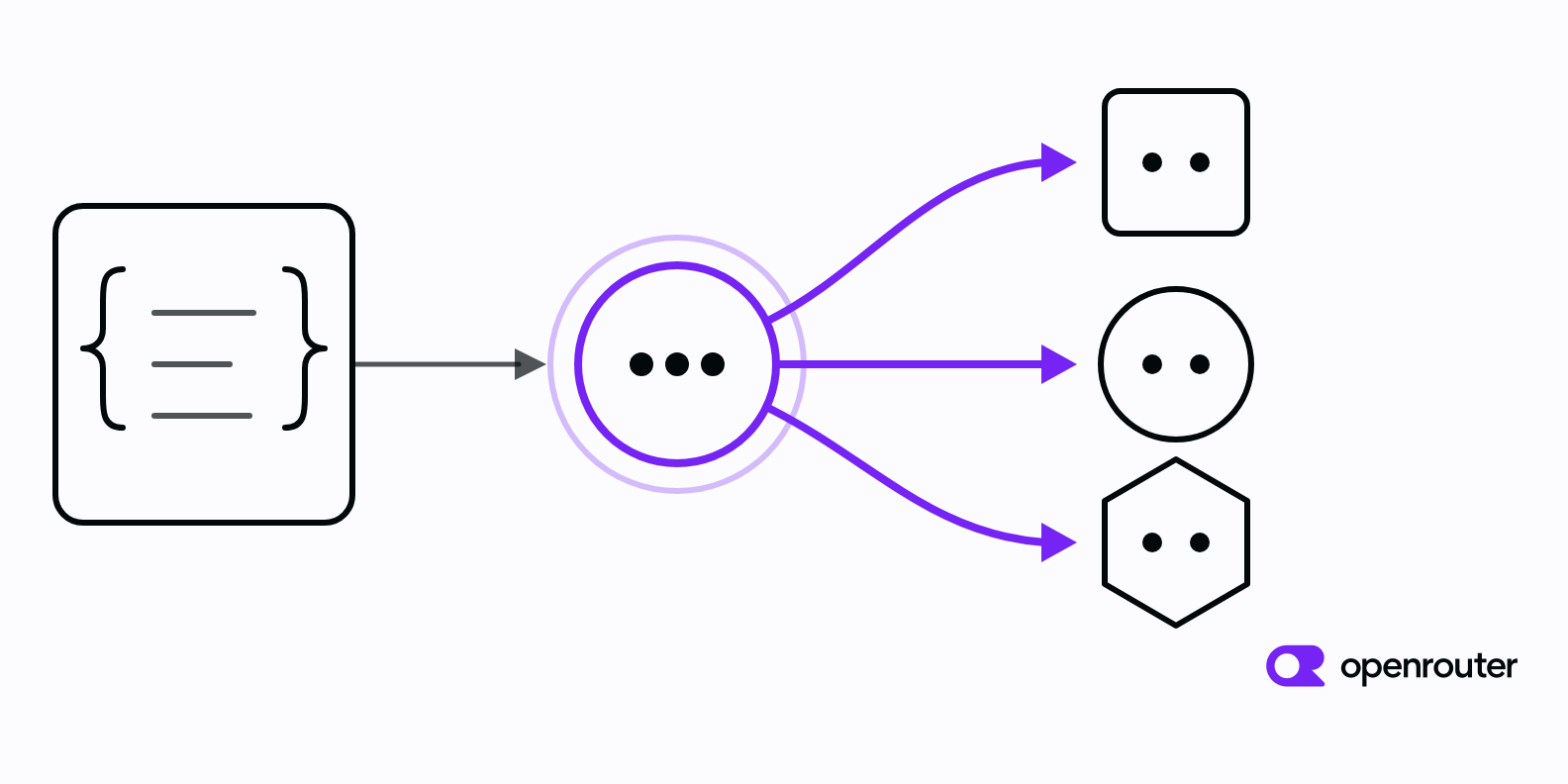
OpenRouter compares how LangChain, CrewAI, OpenAI Agents SDK, Claude Agent SDK, Microsoft Agent Framework, and Google ADK handle tool schemas. The useful takeaway: decide whether translation lives in your app, framework, or API gateway.

NVIDIA’s Saudi Arabic ASR recipe is a good template for dialect adaptation
NVIDIA walks through fine-tuning Nemotron 3.5 ASR for Najdi and Hijazi speech. The pragmatic bits are replay mixing to reduce forgetting, duration bucketing, selective encoder unfreezing, and decoding tradeoffs between WER and latency.
Community discussions
3 threadsCursor user reports Composer deleting a whole drive; replies push sandboxing, not trust
A Cursor user says a worktree cleanup request led Composer to delete their drive. The thread’s useful takeaway is blunt: run coding agents in constrained, snapshotted environments and guard destructive commands.
Muse Gmail scanning debate shifts blame from model behavior to product design
Ben Mathes argues Muse’s Gmail issue was not an LLM going rogue, but a product decision to run daily searches despite user expectations. The quoted complaint says there was no setting short of disconnecting Gmail.
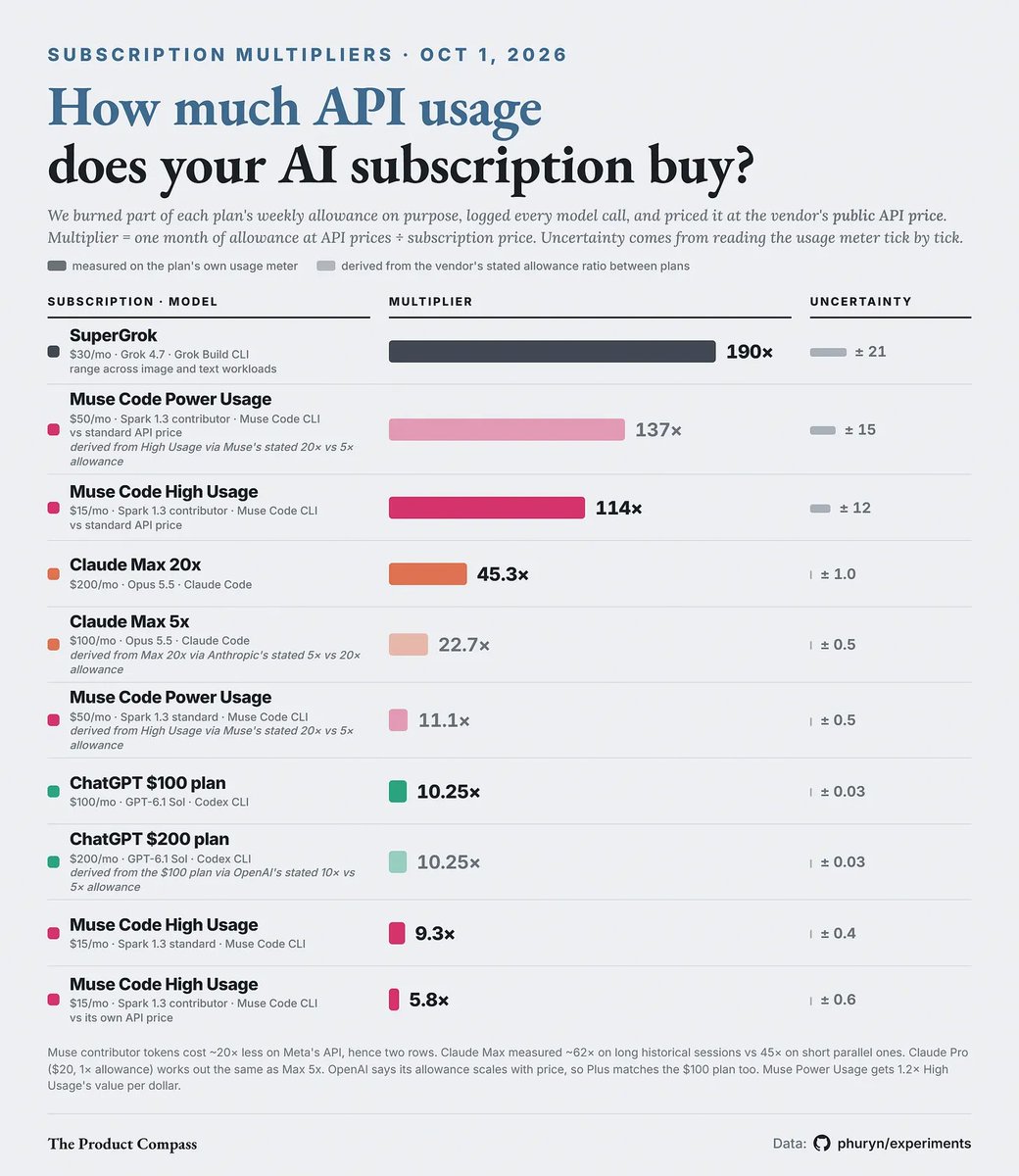
Subscription-vs-API cost math gets attention, then a correction
Pawel Huryn tried to price subscription allowances against public API rates for OpenAI, Claude, and Muse Code, then corrected the Claude 5x/20x assumption. The thread is useful, but treat the numbers as measured snapshots.
Funding & acquisitions
2 moves
Armadin raises $255.5M for always-on agent-swarm security testing
Kevin Mandia’s Armadin raised a $255.5M Series B at a valuation above $2.5B. The company is betting that agent swarms can continuously chain vulnerabilities and pressure-test enterprise defenses before attackers do.
Barrett Lyon launches agentic private networking with $38M raised
Barrett Lyon says his team raised $38M from a16z, Animo Ventures, and another linked investor for Agentic Defined Networking. The launch pitch: private networks for users and AI agents without a server in the middle.
Bengaluru radar
2 events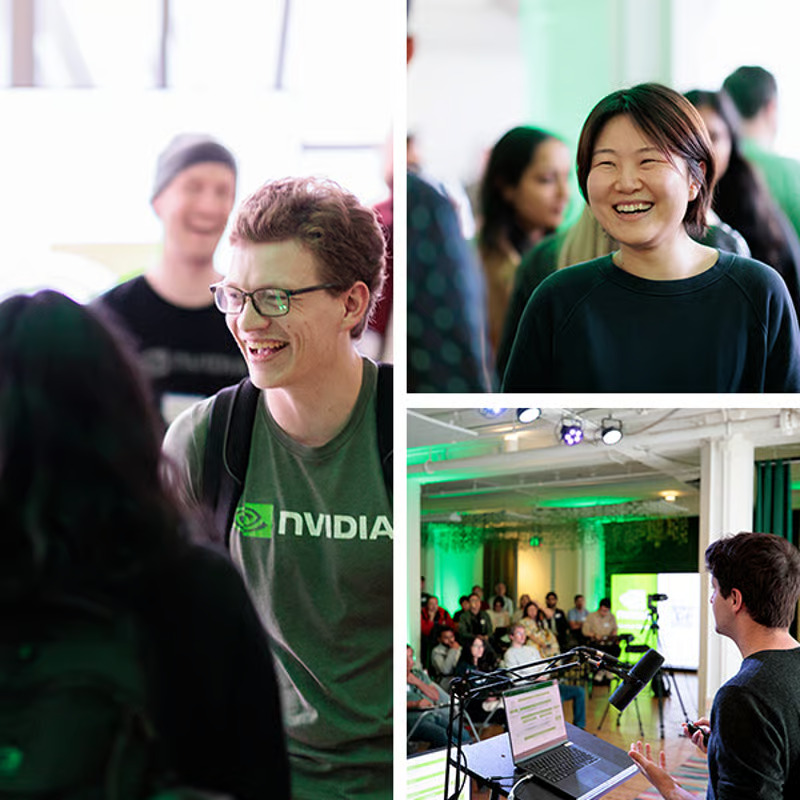
NVIDIA VoiceAI Ecosystem Meetup
Founders and operators building voice AI can catch NVIDIA Inception context, startup showcases, research discussion, and networking in Bengaluru.
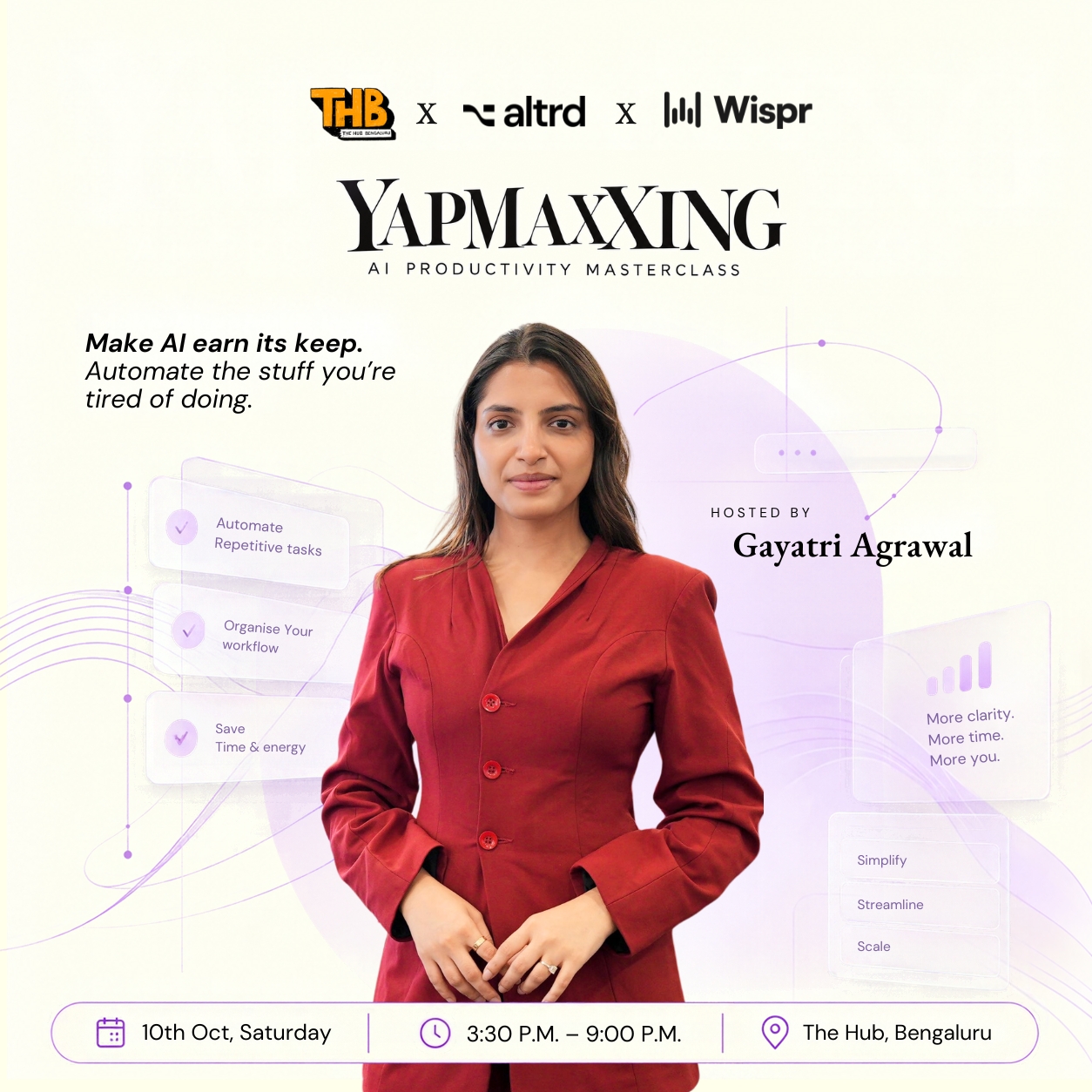
Yapmaxxing: AI for productivity at work
A free hands-on AI productivity masterclass in Bengaluru covering prompts, workflow automation, assistants, voice input, and a build challenge.