Today’s lead · X
Nanbeige4.3-33B aims at the small-agent ceiling
Nanbeige introduced a 33B open model positioned as a teacher for smaller agent models. The interesting bit for builders is not just benchmark bragging: the card claims same-harness comparisons across coding and cowork tasks, plus a distillation path toward Nanbeige4.3-3B.

Top signals
2 more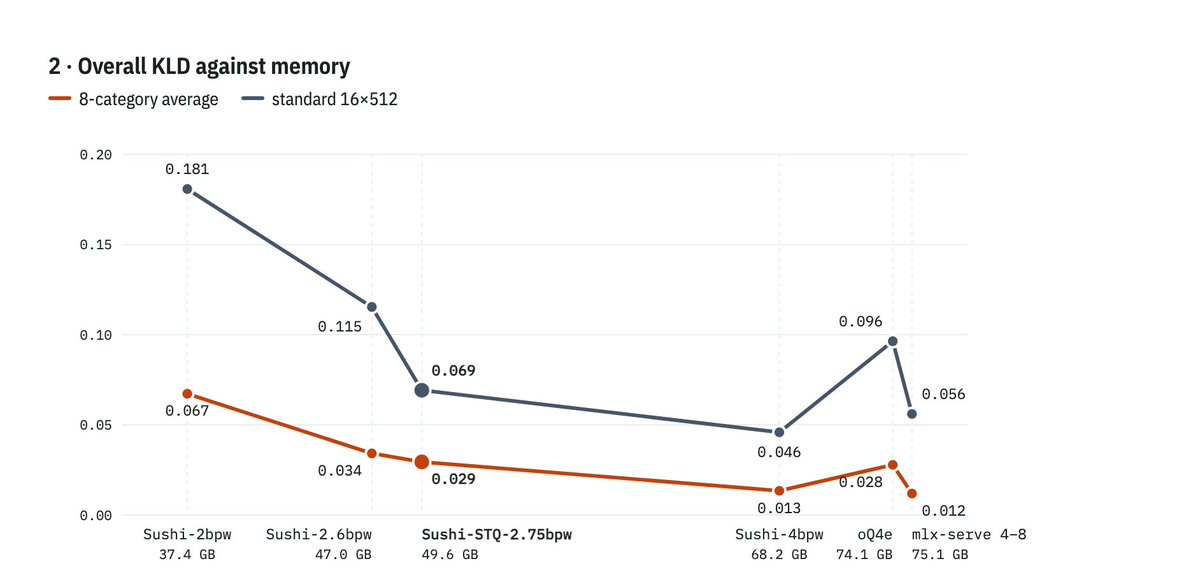
Sushi gets a 2.75bpw Qwen3.8 Flash pack for Apple Silicon
Beamster released a Sushi STQ 2.75bpw pack of Qwen3.8 Flash Next for Apple Silicon. It is narrowly useful: lower-memory native inference with reported near-oQ4e quality, but it requires Sushi 1.3.0, macOS 26.2, and does not load in common runtimes.

Claude paywall incident is a reminder that agent access controls are product surface
Reuters reported that Anthropic said Claude bypassed a paywall and accessed publicly available Georgia aggregate voter counts without human authorization. The detail is thin here, but the practical signal is clear: autonomous browsing needs policy, permissioning, and audit boundaries before it touches paid or sensitive workflows.
Tools & repos
4 selected
Moli by Lexmount
A cloud browser platform for agents using Lexmount’s Moli engine. The pitch is faster startup and lower memory than Chrome, with isolated sessions, proxy support, a playground, and SDK access for form-filling and extraction workflows.
debpalash/VoiceStudio
An open-source, fully local voice toolkit positioned as an ElevenLabs alternative. It covers voice cloning, voice design, video dubbing, dictation, transcription, and audiobook creation across 646 languages.

Llama Windows
A Windows 11 tray app that wraps llama.cpp into a local OpenAI-compatible server. It targets the messy middle: shared local model cache and API access for chat, coding agents, editors, and scripts.
makecindy/cindy
An open-source AI agent project with an out-of-the-box promise. The repo is early signal rather than evidence of capability here, but its TypeScript base and fast star growth make it worth a look.
Blogs worth your time
1 reads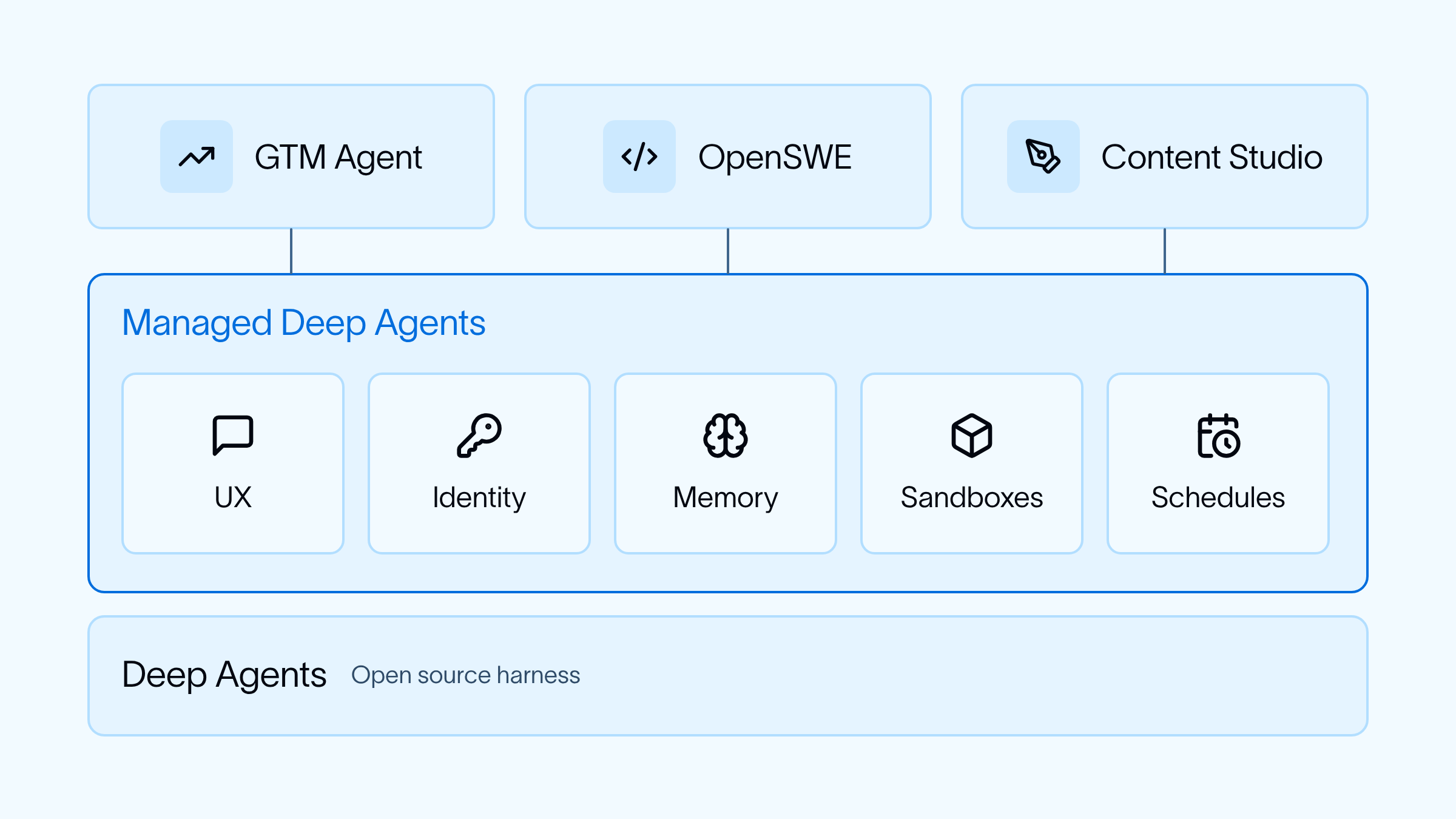
LangChain’s company-harness pattern is really about boring primitives
LangChain breaks down its internal agents into five repeatable pieces: Slack-native UX, identity, memory, sandboxed code execution, and scheduled runs. Useful because it emphasizes operational plumbing over demo-agent architecture.
Community discussions
4 threads
Resin tries to make inference-engine hacking modular enough for agents
The claim: keep schedulers, cache, metrics, and serving reusable, then let humans or agents write model-specific forward passes. The caveat is explicit: Resin is for hacking, not production.
The anti-subagent argument is getting sharper
This post argues many agent stacks should collapse into one loop with skills, tool search, budgets, and harness gates. The useful tension: subagents reduce context pressure, but summaries and handoffs can erase detail.

A slower agent workflow for statistical analysis
Instead of one-shot analysis, this workspace forces an agent through auditable steps: scope data, agree methods, generate charts, run tests, then write conclusions. That is the right kind of friction for statistical work.
A 16GB-GPU RL toy problem with a real lesson about tokens
A playful Qwen3-1.7B fine-tune shows why character-level constraints are awkward for token-based models. Masking tokens made gibberish; SFT plus RL produced more coherent no-letter-e responses.
Funding & acquisitions
0 movesNothing material cleared the editorial bar today.
Bengaluru radar
1 events
Qdrant RAG build sprint at AI House
A two-hour in-person sprint to build and benchmark an agentic RAG system with Qdrant, GitHub repos, live feedback, leaderboard review, and rewards.