Today’s lead · Google DeepMind Blog
Google DeepMind previews Gemini 4 Carbon for cyber defense first
DeepMind says Gemini 4 Carbon is its strongest model, with big claimed gains in cybersecurity and long-horizon coding. The practical catch: access starts with selected cyber defenders and trusted partners, not general developers. Builders should note the pricing, the stated guardrail work, and the unusually defense-heavy launch framing.

Top signals
9 more
NVIDIA ships an open-weight speech model that bundles ASR, diarization, translation, and audio Q&A
Nemotron 3.5 Transcribe is useful because it collapses several speech workflows into one promptable open-weight checkpoint. The evidence is strongest on non-streaming transcription and diarization leaderboards; builders still need to validate names, speaker turns, and domain vocabulary, especially before replacing production ASR stacks.

Anthropic says an unreleased model chained real browser and OS flaws into exploits
The story is less “AI found a bug” than “AI allegedly linked multiple bugs into working exploit chains.” That matters for defensive triage and offensive risk. The caveat is important: the account depends heavily on Anthropic’s own description, and the public record does not show exactly how much humans contributed.

GitHub Copilot Fusion turns model routing into the product
Copilot Fusion is GitHub’s answer to model-picking fatigue: a runtime that chooses models and execution patterns per task. The benchmark pitch is cost efficiency, not clear superiority. For teams, the question becomes whether GitHub’s orchestrator beats hand-tuned model choices inside your own coding workflows.

Google opens a developer path into Gemini and Search connected apps
Google’s Connected Apps Platform is an early distribution play for the agentic web: developers can make services usable inside Gemini and Search. The builder upside is reach; the platform risk is obvious too, because discovery, action routing, and performance telemetry move closer to Google’s AI surfaces.
Microsoft brings its Copilot agent harness into Foundry public preview
Microsoft is packaging more of the agent loop as managed infrastructure: context, tools, sandbox execution, skills, approvals, and subagent delegation. That is attractive for enterprise teams tired of rebuilding harnesses, but it also pulls agent architecture deeper into Foundry’s opinionated stack.

Vercel adds virtual model IDs for centrally managed AI Gateway routing
Virtual Models are a small abstraction with real operational value: apps call a stable model ID while platform teams change providers, fallbacks, tags, and data-retention settings centrally. For builders juggling fast model churn, this is governance and rollback without redeploying every agent.
Oracle Cloud will offer Cerebras inference through OCI
Oracle adding Cerebras inference to OCI is another sign that cloud AI capacity is diversifying beyond GPU-only defaults. The supplied evidence is announcement-level, so builders should wait for concrete availability, model support, pricing, and latency numbers before planning around it.
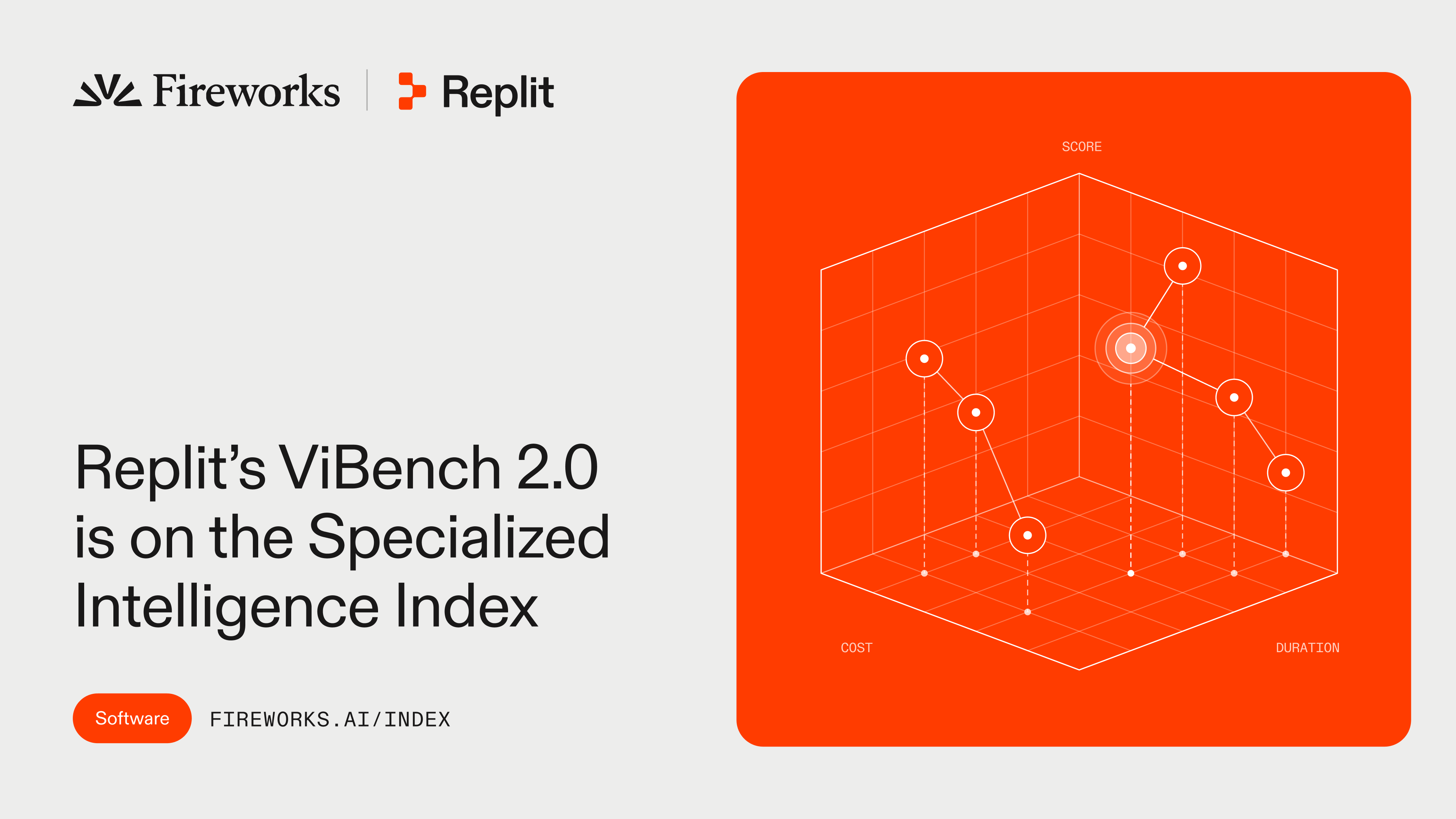
Replit’s ViBench 2.0 tests whether agents can build whole products, not just patches
ViBench 2.0 is a useful correction to patch-centric coding benchmarks: agents start empty, build products feature by feature, then live with their own earlier design choices. The headline result is sobering—top models still miss full-product correctness often, especially where features intersect.
Open-H3-Regenerate-2K brings few-step high-res video refinement to local builders
Open-H3-Regenerate-2K targets a practical bottleneck in open video workflows: turning cheap low-res drafts into high-res outputs without depending on the closed H3-Regenerate-2K API. The claims are promising—three diffusion steps, up to 4K—but production teams should verify quality on their own motion and artifact cases.
Tools & repos
4 selected
Dedica
Dedica tests whether AI agents can actually use your website, then gives fixes for each failure. Useful if agent traffic matters, though its 125-check framing should still be validated against your own user journeys.

BotGauge
BotGauge is positioning as reliability infrastructure for action-taking agents: adaptive red-team attacks, evals, traces, regression tests, and production monitoring. That maps well to the gap between demo agents and agents users trust.

Trigger.dev: Webhooks for your AI agents
Trigger.dev Webhooks gives agents practical event triggers from services like Slack, Supabase, Stripe, GitHub, and Sentry. The interesting bit is not another webhook product; it is wiring agents into existing customer workflows with human approvals.

App Store Screenshots
This is a local agent skill for turning app captures and a brief into store-ready screenshots. It is refreshingly concrete: 18 styles, multilingual exports, and no screenshot SaaS subscription beyond your agent usage.
Blogs worth your time
4 reads
Prompt injection defense needs tool-call enforcement, not just better prompting
OpenRouter’s practical prompt-injection test is valuable because it measures actions, not vibes. Labels helped, but checking every tool call with Armor was the only defense that stopped all attack emails in their setup.
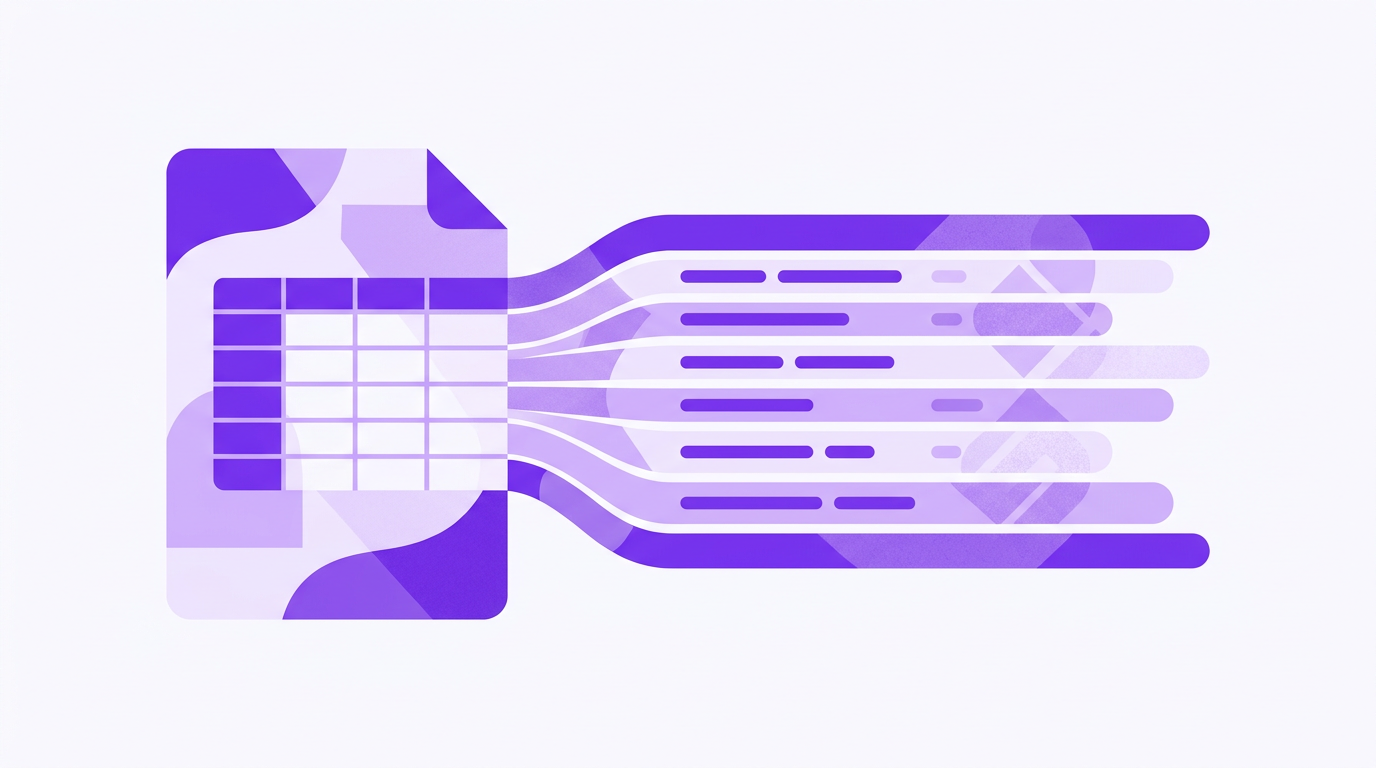
A practical guide to extracting PDF tables with LLMs
This is the kind of LLM tutorial builders need: schema-first extraction, cost notes, parser choices, and failure checks. The key warning is that scans and token cutoffs can return normal-looking but wrong results.
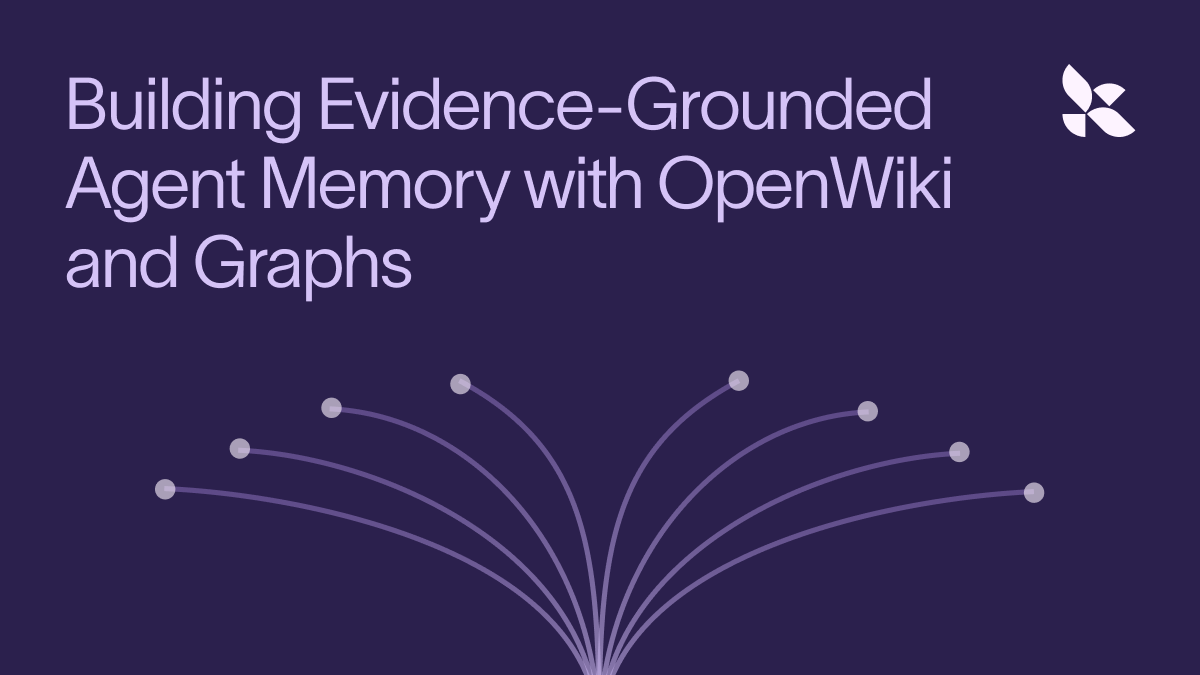
LangChain tests OpenWiki as evidence-grounded memory for agents
LangChain’s experiment makes a useful distinction: compiled memory helps when agents repeatedly reason across sources, while simple lookups may not justify the overhead. The evidence graph improved accuracy and citation stability without building a full knowledge graph.

Simon Willison argues vibe-coded games just crossed a fun threshold
Willison’s piece is anecdotal, but sharp: the interesting shift is not that models can generate games, but that Claude Opus 5.5 can improve game feel with prompts like “make it a LOT more fun.”
Community discussions
3 threadsCursor users debate whether agent coding feels like programming or babysitting
The thread captures the new coding-agent tradeoff: faster work, less hands-on flow. Replies push back with a useful pattern—give agents tests, scripts, or clearer definitions of done so review becomes outcome-based, not spinner-watching.
LocalLLaMA argues over whether enterprise AI will move onto local machines
The optimistic claim is simple: enterprises want privacy and local models are getting good enough. The pushback is equally practical: production enterprise automation needs more than llama.cpp enthusiasm, and many companies lack the IT and ML rigor to self-host well.
Local LLM builders weigh Mac Studio M5 Ultra pricing against clustering and real workloads
The thread is less about Apple hype than local inference economics. Commenters question whether 512GB is enough, whether clustering is the real path for larger models, and how LLM-only numbers translate to mixed video, image, and audio workloads.
Funding & acquisitions
3 moves
Upwind raises $400M after declining a Datadog acquisition offer
Upwind chose growth money over selling at the same $3.8B valuation, a confident signal in AI-era cloud security. The multiple is aggressive, but the reported ARR growth explains why investors and acquirers are circling runtime security.
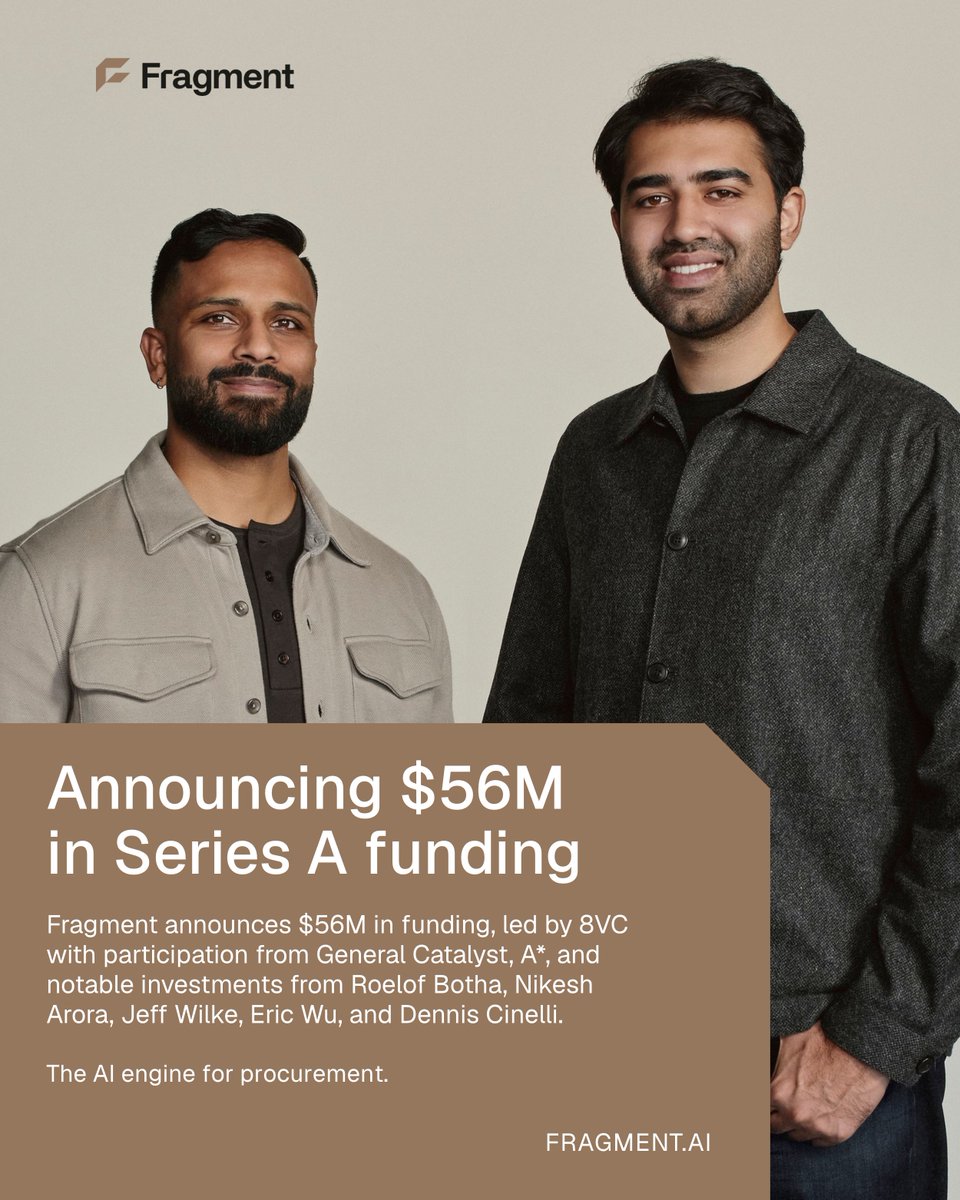
Fragment launches with $56M for enterprise software that does the harder work
Fragment’s launch pitch is broad—enterprise software that moves beyond digitizing paperwork—but the financing is concrete. The round combines a Series A led by 8VC with a seed co-led by General Catalyst and A*.

Bengaluru enterprise AI startup QwikBuild raises $2.3M pre-seed
QwikBuild is selling the pragmatic enterprise AI dream: custom software plus agents that fit around SAP, Salesforce, and messy operations. The Globalway-led pre-seed also gives it a Japan go-to-market wedge through a planned joint venture.
Bengaluru radar
1 events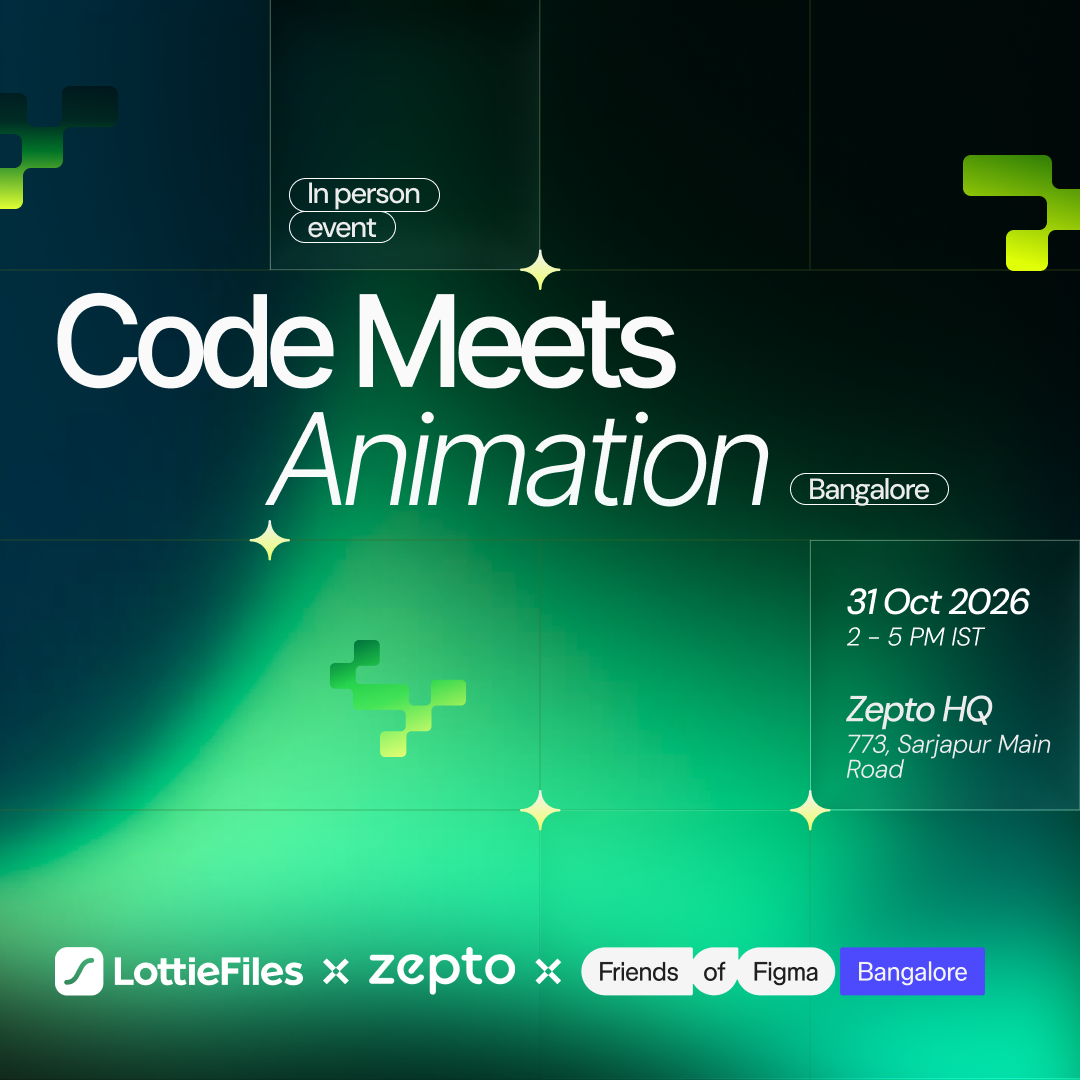
Code Meets Animation - Bangalore
Sold-out LottieFiles evening on AI-assisted motion, shipping animation systems, and prompt-built UI animation. Worth watching for waitlist movement or follow-up materials.